Beyond the Green List: Planning Skilled Residence Pathways for International Students
23 March 2026In the article – What the Data Really Shows About International Students and Residence in New Zealand, our CEO & Senior LIA, Arunima D, looked at what the data tells us about international students transitioning into New Zealand’s workforce.
The next question is more practical:
How do skilled residence pathways actually work in New Zealand, and what does this mean for students and education providers?
One issue that repeatedly emerged during discussions at ICEF ANZA 2026 was that the Green List dominates international conversations, even though it represents only one part of the immigration framework.
The Green List Is Only One Pathway
Internationally, the Green List is often presented as the primary route to residence for students. In reality, it is only one component within a broader skilled migration framework.
The Green List provides two pathways:
• Straight to Residence roles
• Work to Residence roles
However, even within the Green List, outcomes depend on factors such as:
• Securing the qualifying role
• Meeting specific Green List requirements
• Meeting median wage thresholds
• Obtaining professional registration where required
• Working for an accredited and compliant employer
Studying in a Green List-related field does not automatically create residence eligibility.
Ultimately, employment outcomes determine immigration outcomes.
Skilled Residence Pathways in New Zealand
New Zealand’s skilled migration framework includes several residence pathways beyond the Green List.
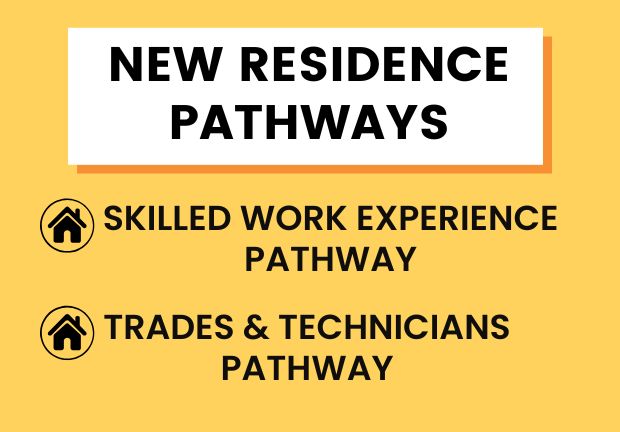
From August 2026, the residence landscape will include options such as:
- Green List – Tier 1 (Straight to Residence)
- Green List – Tier 2 (Work to Residence)
- Skilled Migrant Category (6-point system)
- Sector Agreement pathways, including care workforce and transport roles
- Skilled Work Experience pathways
- Trades and technician residence pathways
Across these pathways, several common themes appear:
• Skilled employment classification
• Remuneration aligned with median wage thresholds
• Employer accreditation and compliance
These requirements reflect a clear policy direction: New Zealand’s immigration framework increasingly prioritises employment outcomes.

Managing Expectations in Global Markets
One of the most important themes that emerged from the ICEF discussion was expectation management.
In many international markets, students and families still assume that studying in a particular field automatically leads to migration outcomes.
In reality, successful transitions depend on:
• Alignment between study choices and labour market demand
• Access to genuine skilled employment opportunities
• Meeting wage and role classification thresholds
• Employer participation in the immigration framework
When expectations are built around simplified narratives rather than practical realities, the pathway can become more difficult for everyone involved.
Planning Matters More Than Ever
Perhaps the most important takeaway for the sector is this:
If international students are coming to New Zealand with long-term workforce or residence goals in mind, the planning cannot start after graduation — it must start before enrolment.
Course selection, labour market demand, and immigration pathways are increasingly interconnected. In some cases, even decisions within a couple — such as who studies and who works — can influence how effectively a family integrates into the workforce.
Choosing the wrong study pathway at the beginning can make the journey significantly more complex later.
For education providers and agents working with international students, this makes early, well-informed guidance critical. When study decisions are aligned with realistic employment opportunities and immigration settings from the outset, outcomes improve not just for students, but for employers and the wider sector as well.
In an increasingly competitive global education market, helping students make strategic and informed choices from the beginning will be critical to successful international education outcomes in New Zealand. Contact us for expert guidance and ongoing support from admissions and visas to residence in New Zealand.

 Previous article



.png)